
Introduction to Traditional German French Toast
Why Traditional German French Toast is a Game Changer
Imagine Sunday mornings spent at your grandmother's table, rich aromas wafting through the air—this is the essence of Traditional German French Toast, or Arme Ritter. This classic dish transforms stale bread into golden, fluffy delicacies, proving that humble ingredients can create something truly special.
Unlike typical French toast that leans heavily on sweet toppings, German Arme Ritter can be as versatile as your taste buds desire. Whether you serve it with a sprinkle of cinnamon sugar, a drizzle of maple syrup, or fresh fruit, the balance of textures and flavors is simply delightful. Plus, it’s quick—as you can whip it up in just 22 minutes, making it the perfect family brunch option!
What’s even better? This recipe not only minimizes food waste but fosters a sense of nostalgia, scaling back to simpler times when grandmothers created magic in their kitchens. Want to dive deeper into traditional German cuisine? Check out these interesting insights on the cultural significance of German breakfasts.
So grab those stale bread slices—it's time to savor the joy of making Traditional German French Toast that will have everyone at your table asking for seconds!
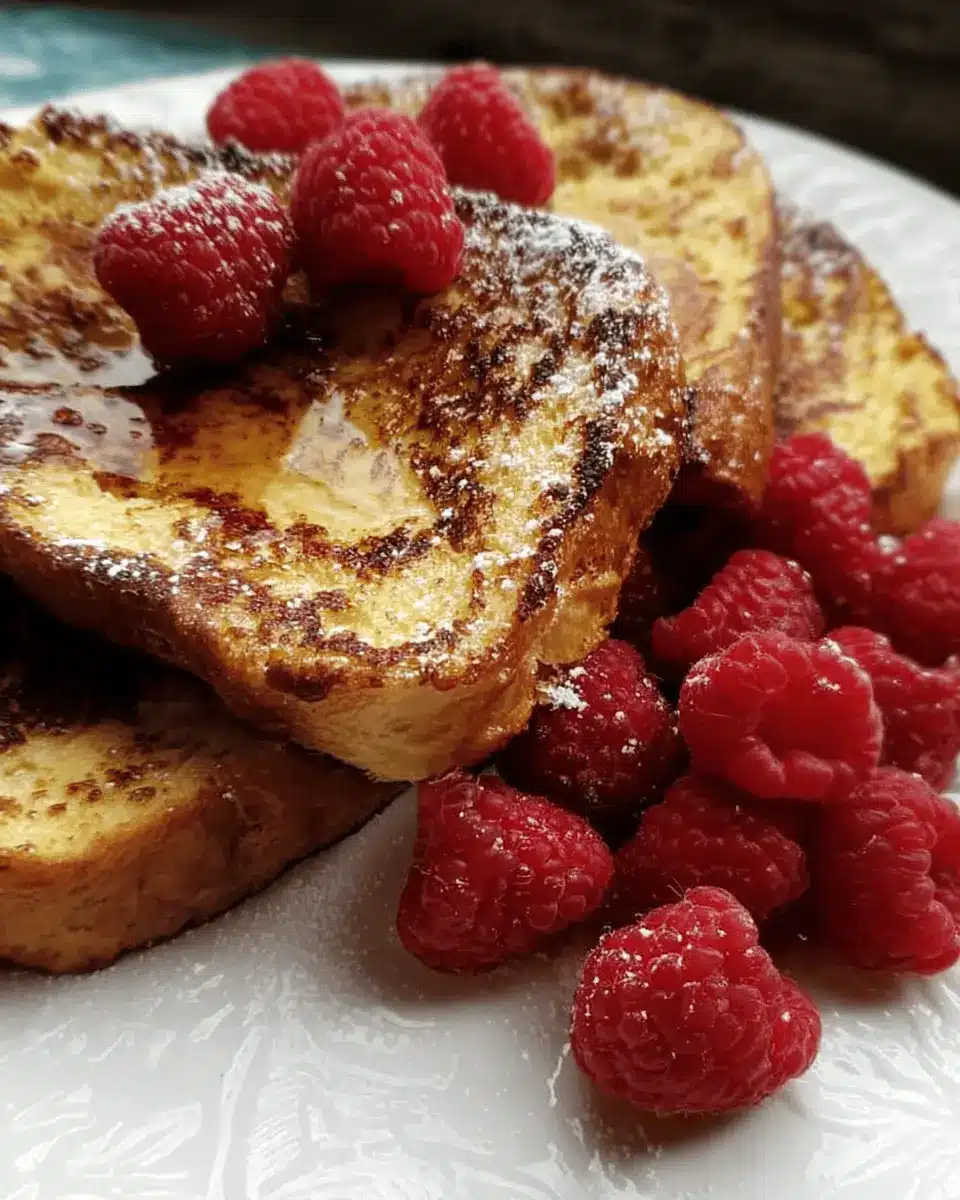
Ingredients for Traditional German French Toast
When crafting Oma's Arme Ritter, the key is to select quality ingredients that come together to create an unforgettable culinary experience. Here's what you’ll need for this delicious Traditional German French Toast:
- Stale Bread: Use about ½ pound of your favorite bread, cut into ½-inch to ¾-inch thick slices. Sourdough or a rustic loaf works wonderfully, giving the dish a delightful texture.
- Eggs: You'll need 2 large eggs to create the perfect custard for soaking the bread.
- Salt: Adding just ⅛ teaspoon of salt enhances the flavors beautifully.
- Sugar: A couple of tablespoons of sugar will balance the dish's sweetness. Feel free to adjust according to your taste!
- Lemon Zest: For an extra zing, 1 teaspoon of grated lemon zest is optional but highly recommended.
- Milk: A cup of milk is essential for that creamy custard. You can mix in part cream if you’re feeling indulgent.
- Butter: Finally, use 3 to 4 tablespoons of butter for frying, giving your Arme Ritter a rich, golden crust.
These simple ingredients unite to evoke the warmth of a cozy kitchen and the love of family. For more insights into cooking with stale bread and creating delightful breakfast options, check out The Spruce Eats for tips and variations.
Preparing Traditional German French Toast
Making Oma's Arme Ritter, or Traditional German French Toast, is a delightful way to start your day. It’s a dish steeped in nostalgia, perfect for reminiscing about Sunday mornings spent around the table with family. The best part? It’s super easy to whip together! Let’s walk through the steps.
Gather Your Ingredients
Before you dive in, make sure you have everything ready. Here’s what you’ll need:
- ½ pound loaf of stale bread (sliced to ½-inch to ¾-inch thick)
- 2 large eggs
- ⅛ teaspoon salt
- 2 tablespoons sugar
- 1 teaspoon grated lemon zest (optional, but it adds a fresh kick)
- 1 cup milk (feel free to mix in some cream for richness)
- 3-4 tablespoons butter (for frying)
Having your ingredients prepped ensures a smoother cooking experience. Plus, this recipe is fantastic for using up stale bread, so don’t toss that leftover loaf just yet!
Make the Egg Mixture
In a medium mixing bowl, whisk together the eggs, salt, sugar, and milk. If you're feeling adventurous, toss in the grated lemon zest for an aromatic touch. This mixture will give the Arme Ritter its delicious custardy texture when cooked. Remember to mix it well so that all the ingredients combine seamlessly. Want to learn more about the importance of egg in French toast? Check out this resource on egg nutrition.
Prepare the Bread Slices
Next, it’s time to dip those slices! Take each piece of stale bread and immerse it in the egg mixture, ensuring both sides are coated generously. Let the slices sit on a wax-paper-covered counter for a few minutes. This step allows the egg mixture to soak in, ensuring every bite is rich and flavorful.
Frying the Bread to Perfection
Heat a skillet or griddle over medium heat and add butter—let it melt and get bubbly. Once heated, carefully place the soaked bread slices into the pan. Fry for about 2 to 3 minutes per side, or until golden brown. This part is essential because achieving that perfect crispy exterior while keeping the inside soft is what makes Traditional German French Toast exemplary. As you fry, the sweet aroma will fill your kitchen, making it almost impossible not to sneak a piece!
Keeping It Warm
As you finish frying batches, transfer the slices to a cookie sheet and keep them warm in an oven set at 200°F. This ensures all the French toast stays nice and toasty until you’re ready to serve. It’s all about that perfect experience when you gather everyone around the table with a warm stack of Arme Ritter ready to enjoy!
Now you’re all set to savor this comforting dish. Serve it up with fruit sauce, a drizzle of syrup, or sprinkle it with powdered sugar and cinnamon. Enjoy every bite of your Traditional German French Toast, and don’t forget to make extra - it’s likely they’ll keep coming back for more!

Variations on Traditional German French Toast
Add-Ins and Flavor Twists
To elevate your Traditional German French Toast, consider adding unique flavors and textures. Start with vanilla extract or a splash of almond extract in the egg mixture. You might also layer in some chocolate chips or fresh berries for sweetness. For a spiced kick, a sprinkle of nutmeg complements the cinnamon beautifully. Don't forget about different types of bread; while stale white bread is traditional, challah or sourdough can provide interesting texture and flavor twists. Check out this guide on creative French toast variations here.
Serving Styles
There’s more than one way to enjoy your Arme Ritter! Serve it classic with a dusting of powdered sugar and a side of warm syrup, or try a fruit compote for a fresh burst. Adding Turkey Bacon or Chicken Ham on the side creates a savory balance, while a dollop of whipped cream gives it that extra indulgent touch. You can also transform it into an elegant brunch dish served with yogurt and seasonal fruits. The possibilities are endless, so don’t hesitate to get creative!
For more inspiration and serving ideas, consider checking out popular brunch websites like Serious Eats.
Cooking Tips for Traditional German French Toast
Perfecting the Cooking Process
To achieve the perfect texture for Traditional German French Toast, watch the heat! Cooking on medium is key to ensuring the exterior gets that golden-brown finish while allowing the inside to warm through without becoming rubbery. Flip each slice with care and let it rest briefly before serving, so the flavors meld beautifully. If making a large batch, utilize an oven set at 200°F to keep them warm without further cooking.
Choosing the Right Bread
For the best results, opt for a hearty bread like stale challah or Brioche. Their slightly sweet flavor and soft texture absorb the egg mixture wonderfully. Stale bread is ideal since it will hold up better during soaking—don’t be afraid to experiment, though! A good guide on bread types can help you pick the perfect loaf.
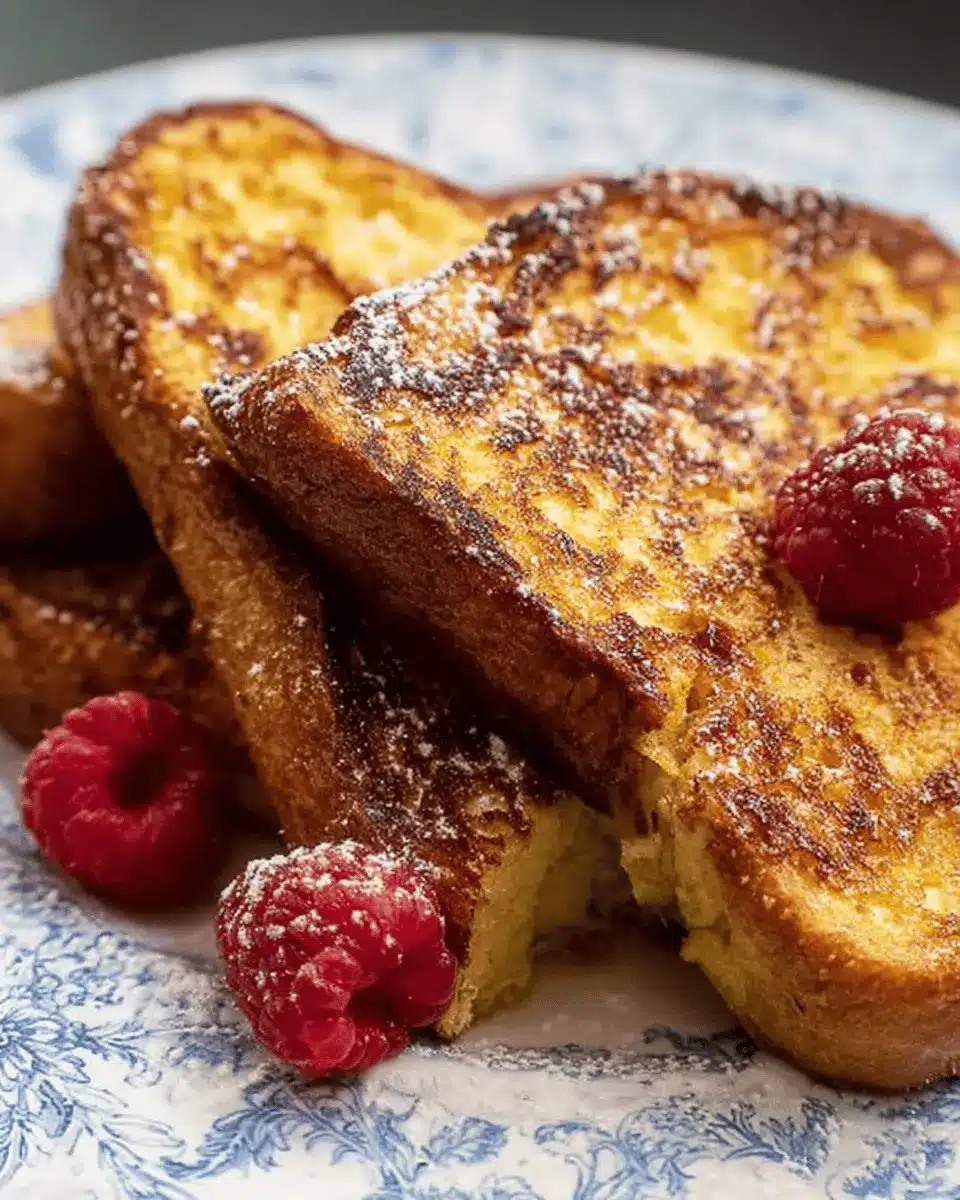
Serving Suggestions for Traditional German French Toast
Toppings That Elevate Flavor
To truly enjoy Traditional German French Toast, consider delightful toppings that enhance its comforting flavor. Classic options include:
- A generous dusting of powdered sugar for sweetness.
- Warm maple syrup or honey for a natural touch.
- Fresh berries like strawberries or blueberries to add a pop of color and freshness.
- Sautéed apples or pears with a sprinkle of cinnamon for a warm, spiced experience.
Feel free to mix and match until you find the perfect combination that makes your taste buds dance!
Pairing Ideas
Pair your Oma's Arme Ritter with some savory sides for a complete meal. Delicious options include:
- Turkey bacon or crispy chicken ham for a protein boost.
- Yogurt with honey for a refreshing contrast.
- A side of creamy scrambled eggs for a heartier plate.
Not only do these sides complement the richness of the French Toast, but they also create a delightful brunch experience. Why not explore these combinations on your next lazy Sunday morning?
Time Breakdown for Traditional German French Toast
Preparation Time
Getting started with your Traditional German French Toast takes about 10 minutes. This is the time you'll need to gather your ingredients and mix the delicious egg batter.
Cooking Time
Once everything is prepped, cooking takes around 12 minutes. You'll be frying those golden slices until they're perfectly crisp on each side.
Total Time
In just 22 minutes, you can have a delightful plate of Arme Ritter ready to enjoy! Perfect for a cozy breakfast or brunch with friends.
For more tips and delicious recipes, check out resources like Serious Eats or BBC Good Food for inspiration!
Nutritional Facts for Traditional German French Toast
Calories
Each serving of Traditional German French Toast contains approximately 300 calories, making it a delightful yet indulgent breakfast option. The calorie count may vary depending on the type of toppings you choose, such as syrup or powdered sugar.
Protein
You can expect about 10 grams of protein per serving, primarily from the eggs and milk. This protein boost helps keep you satiated throughout the morning, making your Arme Ritter both tasty and filling.
Sugars
With around 8 grams of sugar per serving, predominantly from the added sugar and any toppings, this classic recipe balances sweetness with the comforting flavors of bread and eggs. Consider opting for fresh fruit as a topping for a healthier sweetness.
For more insights on balanced breakfast options, check out Healthline's guide on healthy breakfast tips.
FAQs about Traditional German French Toast
Can I use fresh bread instead of stale?
While using stale bread is traditional for making Arme Ritter, fresh bread can work too! Fresh bread will absorb the egg mixture, but it may not hold its shape as well when frying. If you go this route, consider letting the fresh bread sit out for a few hours to dry out slightly, which will help achieve that perfect texture.
What's the best way to store leftovers?
If you have any Traditional German French Toast leftovers, store them in an airtight container in the refrigerator. They can last for up to three days! To reheat, simply pop them in the toaster or skillet, adding a bit of butter to enhance that luscious flavor.
Can I customize the recipe for dietary restrictions?
Absolutely! For a dairy-free option, try using almond or oat milk instead of cow’s milk. You can also substitute the eggs with a flaxseed mixture or other egg replacements for a vegan twist. Just ensure that your substitutions are suitable for your dietary needs!
For further customization ideas, check out resources like The Kitchn or Minimalist Baker for delicious alternatives!
Conclusion on Traditional German French Toast
Enjoying Traditional German French Toast is more than just a meal; it's a comforting taste of nostalgia. Oma’s recipe beautifully showcases how simple ingredients can create something delicious. Serve these delightful slices warm, topped with your favorite syrup or a sprinkle of cinnamon-sugar, for a heartwarming breakfast.

Traditional German French Toast – Oma's Arme Ritter Rezept
Equipment
- mixing bowl
- saute pan
- cookie sheet
Ingredients
Stale Bread
- 0.5 pound loaf of stale bread ½-inch to ¾-inch thick slices
Egg Mixture
- 2 large eggs
- 0.125 teaspoon salt
- 2 tablespoons sugar
- 1 teaspoon grated lemon zest optional
- 1 cup milk part cream if desired
Cooking
- 3-4 tablespoons butter
Instructions
Cooking Instructions
- Preheat oven to 200°F, if you want to keep the Arme Ritter warm until all are fried.
- Mix eggs, salt, sugar, lemon zest, and milk in a bowl.
- Dip bread slices, both sides, into egg mixture.
- Let bread slices sit for a few minutes on a wax-paper covered counter so the egg mixture will soak in.
- Meanwhile, heat butter in a saute pan or griddle.
- Fry bread, in batches, until golden brown on both sides (about 2 to 3 minutes per side).
- Remove from pan and transfer to cookie sheet and keep in warm oven until rest of bread has been fried.
- Serve with fruit sauce, syrup, or sprinkled with powdered sugar or sugar and cinnamon.




Leave a Reply