
Introduction to Artisan Pizza Dough
Why Make Your Own Pizza Dough?
Crafting your own artisan pizza dough is a rewarding experience that elevates your homemade pizza game. Instead of relying on store-bought options, which often compromise flavor and texture, creating your own dough means you control every element. Fresh ingredients allow for a customizable flavor profile, plus the joy of watching your dough rise can be immensely satisfying.
Imagine inviting friends over for a pizza night, where everyone gets to shape their own personal pizzas. Not only does this foster creativity, but it also turns a simple dinner into an interactive event. Plus, making your own dough can impress your guests and elevate even the simplest toppings into something truly special.
Taking the time to craft artisan pizza dough isn’t just about the final product; it's the process that counts. Each step—from mixing to kneading to letting it ferment—adds depth to the flavor, giving you a crust that's perfectly chewy and crisp. According to experts, allowing the dough to ferment develops richer flavors while creating the ideal texture.
So grab your ingredients and roll up your sleeves—let's dive into the joy of making your own artisan pizza dough! For more detail, check out this fantastic guide on making pizza dough from King Arthur Baking.
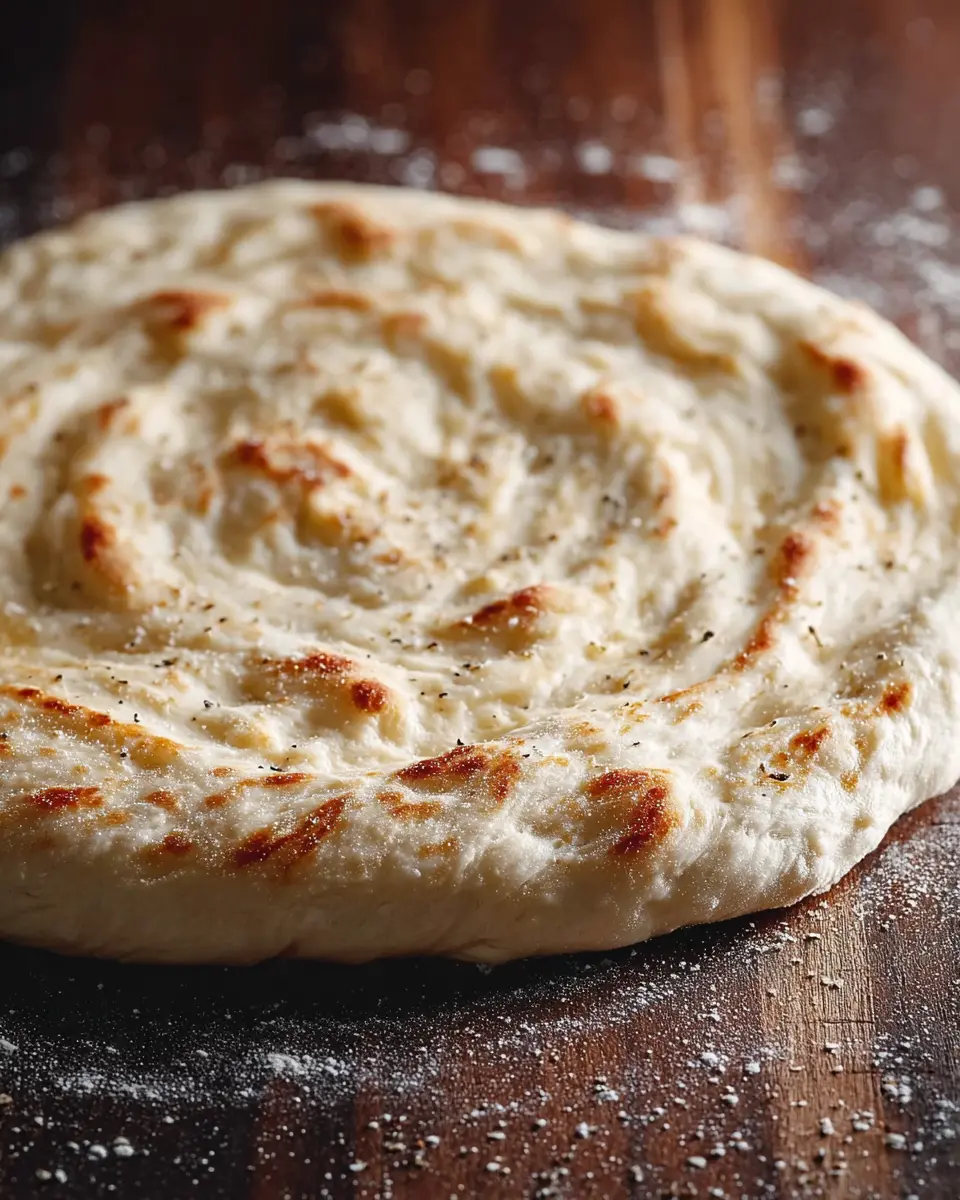
Ingredients for Artisan Pizza Dough
Creating your own artisanal pizza dough can be a delightful experience! The magic really lies in the simple yet essential ingredients that come together to form a phenomenal crust. Here are the building blocks you’ll need:
Essential ingredients for the perfect dough
- Warm Water: About 80°F is ideal for activating the yeast.
- Poolish or Levain: Using a pre-ferment like poolish (210 grams) or a levain (235 grams) adds complex flavors and improves texture.
- Bread Flour: Opt for organic unbleached bread flour (7 cups or approximately 850 grams), which gives the dough its structure and chewiness.
- Fine Sea Salt: Just 1 tablespoon enhances flavors and strengthens gluten.
- Extra-Virgin Olive Oil: Two tablespoons will keep the dough moist and flavorful during fermentation.
Tips on selecting the right flour
When choosing bread flour, look for high protein content (12-14%). This ensures a robust gluten structure for that ideal chewy crust. Brands like King Arthur or Bob's Red Mill are great options. If you want to experiment with flavors, consider adding 10-15% whole wheat flour for a unique twist!
For more tips on perfecting your homemade pizza, check out King Arthur Baking for expert insights. Happy baking!
Step-by-Step Preparation for Artisan Pizza Dough
Making artisan pizza dough may seem daunting at first, but with a little patience and practice, you can craft a delicious dough that serves as the foundation for a perfect pizza night. Let's break down the process step-by-step.
Mixing the Ingredients
Start by gathering your ingredients to ensure a smooth workflow. In a large mixing bowl, combine 2 ¼ cups of warm water (around 80°F) and either 210 grams of poolish or 235 grams of levain. Stir them gently until the levain is mostly dissolved. Next, add 7 cups of organic unbleached bread flour and 1 tablespoon of fine sea salt. Mix it all together with a wooden spoon until you have a shaggy dough. Don’t worry if it’s a bit sticky—that’s part of the charm! When it becomes too thick to stir, transition to kneading it by hand for about a minute until it's free of dry flour.
Kneading to Perfection
Kneading is crucial for developing gluten and creating that lovely chewy texture in your artisan pizza dough. Turn the dough onto a lightly floured surface and knead it for about a minute. You want to achieve a smooth, elastic consistency, which sets the stage for a great crust. To ensure your hands don’t become a sticky mess, sprinkle a little flour on your hands before working with the dough.
The Fermentation Process Explained
Once your dough is kneaded, it needs to ferment. Place it in a clean bowl and drizzle with a bit of olive oil to prevent sticking. Cover it tightly with plastic wrap, and let it rest at room temperature for about 1 hour. After this, you'll perform a series of folds: lift and stretch the edges of the dough, folding them toward the center. This helps to build strength in the dough. Repeat this folding process after another hour. Finally, cover it again and let it rise until it’s roughly tripled in size—this could take around 12 hours at room temperature or up to 48 hours in the refrigerator.
Dividing and Shaping the Dough
Once your dough has fermented beautifully, it's time to divide it into portions. Turn it onto a heavily floured surface and gently press out any air bubbles. Use a bench scraper to cut the dough into six equal pieces, each about 9 ounces. For shaping, take each piece and fold the corners toward the center, creating a tight ball. You want a smooth surface on the outside—the key to a great pizza base!
The Proofing Process
Now, let’s give your dough its final rise. Place each dough ball seam side down on a greased baking sheet or in pint containers. Cover them well with plastic wrap or lids. For a faster approach, leave them at room temperature for about 1 hour before refrigerating for a minimum of an hour, or up to 5 hours. If you prefer a dough with complex flavors, allow them to proof slowly in the fridge for at least 6 hours or even up to 3 days. This slow fermentation process enhances the taste and texture.
By following these steps, you're well on your way to creating the perfect artisan pizza dough that will impress friends and family alike. Ready to bake? Check out our tips on how to top it off with your favorite ingredients!
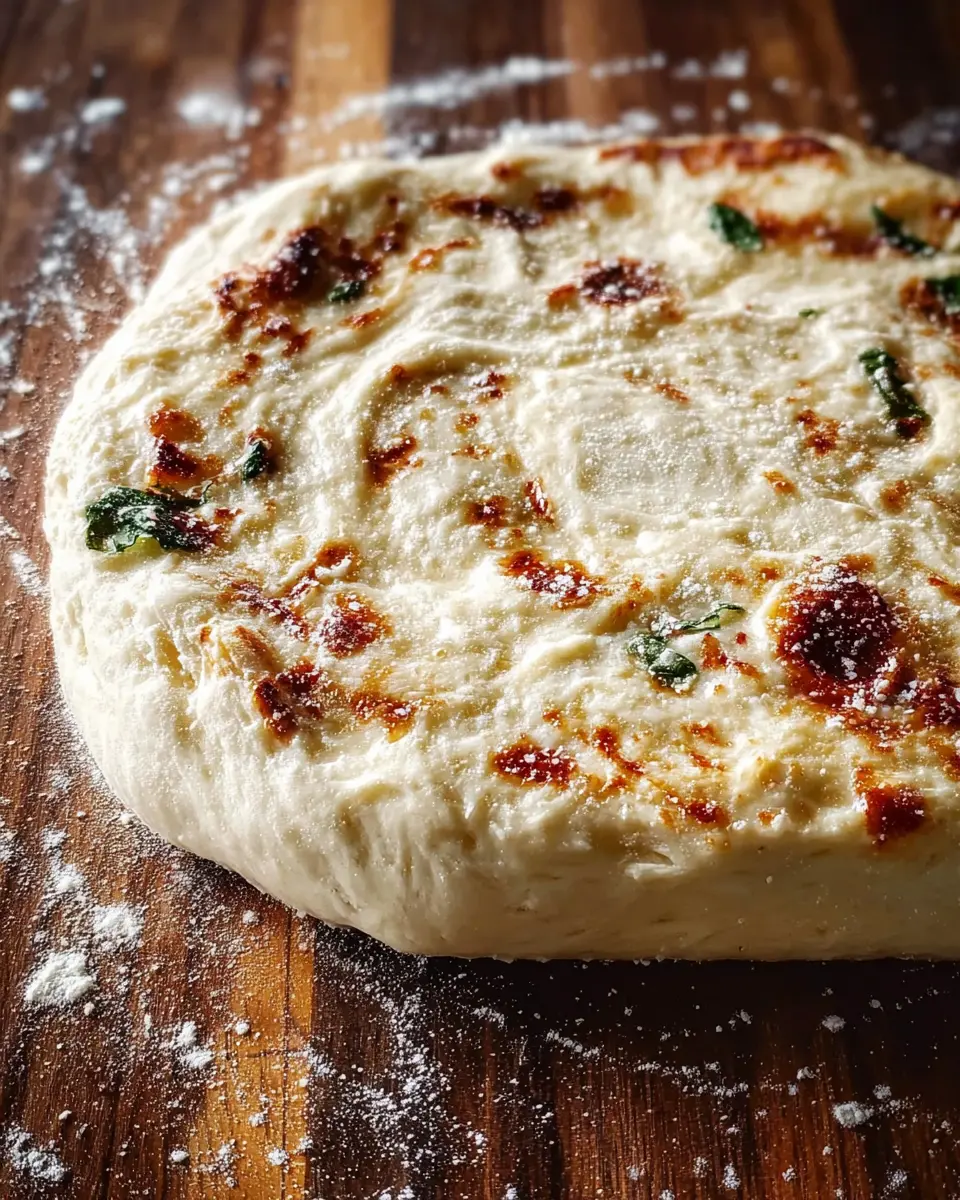
Variations of Artisan Pizza Dough
Whole Wheat Artisan Pizza Dough
For a healthier twist on your classic artisan pizza dough, try incorporating whole wheat flour. By substituting half of the bread flour with whole wheat flour, you not only enhance the nutritional profile but also add a lovely nuttiness to your crust. Whole wheat flour provides additional fiber, making it a great choice for those looking to up their whole grains. Just be mindful of the hydration; whole wheat absorbs more water, so you might need to adjust your water measurement slightly!
Gluten-Free Artisan Pizza Dough
Craving pizza but following a gluten-free diet? Fear not! Crafting a gluten-free artisan pizza dough is entirely achievable. Use a blend of gluten-free flours such as almond flour, tapioca flour, and brown rice flour. You can also add ingredients like xanthan gum to mimic the elasticity of wheat-based dough. While gluten-free dough may not rise as much, it will still deliver a deliciously satisfying pizza experience.
For more tips on gluten-free baking, check out King Arthur Baking.
Exploring these variations can expand your pizza night repertoire, ensuring everyone can enjoy a slice tailored to their dietary needs!
Cooking Tips and Notes for Artisan Pizza Dough
How to avoid common dough mistakes
Making artisan pizza dough can be fun, but it’s easy to run into problems. To steer clear of common mistakes, ensure your ingredients are fresh, especially the yeast. If your dough is too sticky, don’t add too much flour right away; instead, flour your work surface and your hands. Always give the dough ample time to rise, as this is crucial for developing flavor and texture. For more detailed troubleshooting tips, you can check out resources from the King Arthur Baking Company.
Ideal cooking temperatures and methods
For a crispy crust, preheat your oven to at least 475°F (or higher, if your oven allows). Use a pizza stone or a steel to cook the pizza, enhancing the heat retention. If you have a grill, try using it for an added smokiness! Always remember, a well-cooked artisan pizza dough should bubble and brown beautifully. Want to elevate your pizza game further? Consider drizzling a bit of olive oil on the crust right before serving! For more insights on temperature, check out this article from Serious Eats.
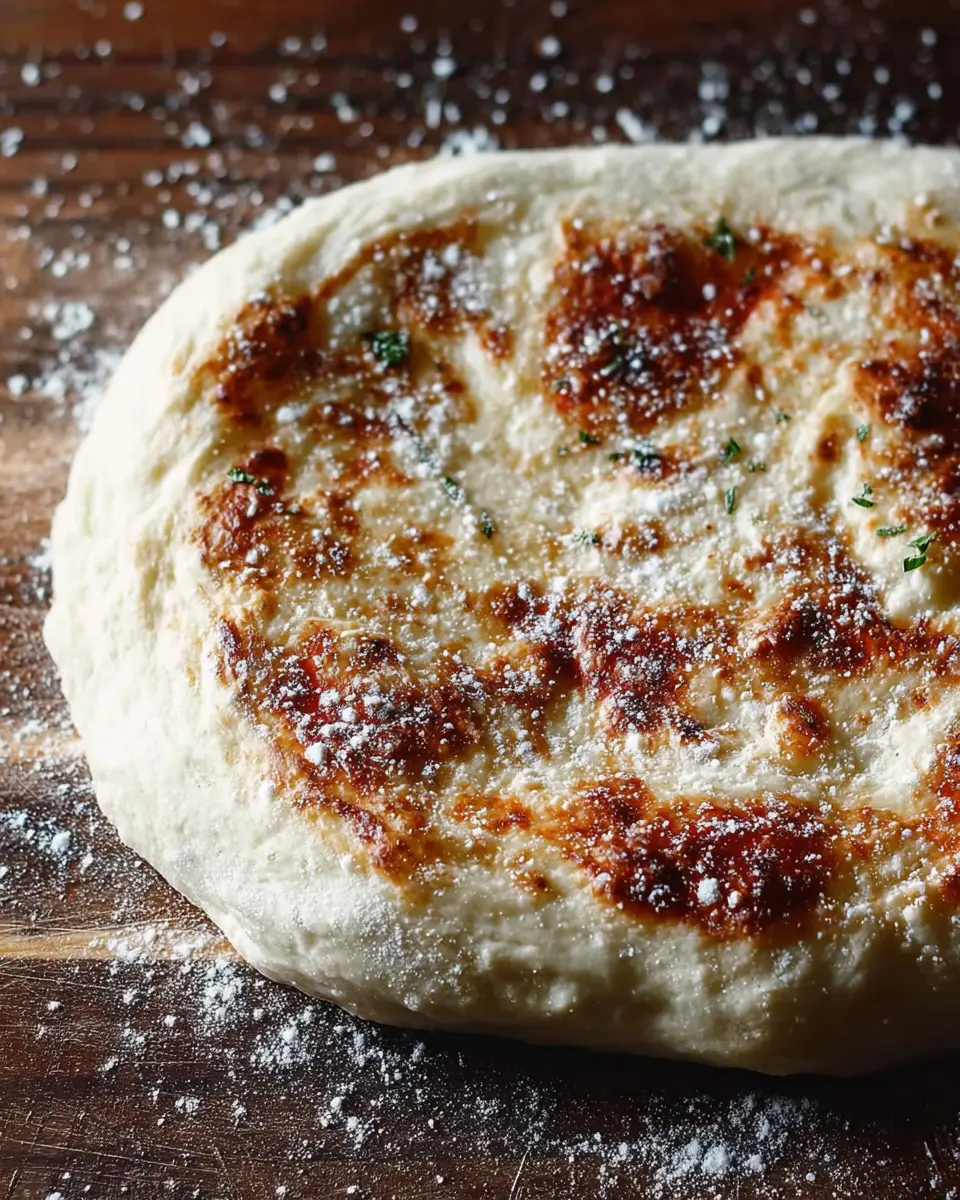
Serving Suggestions for Artisan Pizza Dough
Pairing Ideas for Pizza Toppings
When it comes to artisan pizza dough, the toppings can truly elevate your creation. Consider these delicious combinations:
- Margherita: Fresh mozzarella, tomatoes, and fragrant basil.
- BBQ Chicken: Diced chicken ham, BBQ sauce, red onions, and cilantro.
- Veggie Delight: A colorful mix of bell peppers, mushrooms, spinach, and feta cheese.
- Turkey Bacon Deluxe: Crispy turkey bacon, jalapeños, and a blend of cheddar and mozzarella.
Want to explore more topping ideas? Check out this creative pizza topping guide.
Sides and Drinks That Complement Your Pizza
Elevate your pizza night with perfect sides and drinks! Pair your pizza with:
- Garlic Bread: A crowd-favorite that’s easy to prep.
- Caesar Salad: Crisp romaine, creamy dressing, and crunchy croutons for a fresh contrast.
- Bruschetta: Toasted bread topped with diced tomatoes, basil, and olive oil.
For drinks, a zesty lemonade or refreshing iced tea will cleanse your palate beautifully. If you're feeling adventurous, a craft soda or sparkling water infused with fruit can be delightful companions, too.
With these suggestions, you’re on your way to enjoying a pizza experience that will impress your friends and family alike!
Time Breakdown for Artisan Pizza Dough
Creating your own artisan pizza dough can turn your kitchen into an Italian pizzeria! Let’s break down the timing to help you plan your delicious culinary adventure.
Preparation Time
Get started with about 45 minutes for the initial preparation. This includes mixing, kneading, and letting your dough rest at room temperature.
Fermentation Time
The magic happens during fermentation, which takes approximately 12 hours. This slow rise is essential for developing that rich flavor and texture we crave in artisan pizza.
Total Time for Dough to be Ready
All together, expect around 14 hours and 45 minutes from start to finish. While this sounds lengthy, most of that time is hands-off, allowing you to enjoy other activities while your dough works its wonders!
For more insights on fermentation and dough handling, check out King Arthur Baking’s guide for great techniques that can elevate your pizza game!
Nutritional Facts for Artisan Pizza Dough
Understanding the nutritional profile of your artisan pizza dough can help make informed choices for your meals. Here’s a quick breakdown:
Calories per serving
Each 9-ounce ball of dough contains approximately 600 calories, offering a satisfying base for your favorite toppings.
Macronutrient breakdown
- Carbohydrates: 110g – A significant energy source.
- Protein: 15g – Essential for muscle repair and overall health.
- Fat: 10g – Primarily from the extra-virgin olive oil used in the recipe.
For more on the benefits of different ingredients, consider checking out USDA's FoodData Central for detailed nutritional information. Keep in mind, these values can vary based on your specific ingredients and ratios!
FAQ about Artisan Pizza Dough
How can I store leftover dough?
If you have any leftover artisan pizza dough, don’t toss it away! You can store it in the refrigerator. Wrap the dough tightly in plastic wrap or place it in an airtight container to prevent it from drying out. It’ll stay good for about 3 days. When you're ready to use it, let it come to room temperature and rise for about an hour before stretching it out for your next pizza adventure.
Can I freeze artisan pizza dough?
Absolutely! Freezing your artisan pizza dough is a fantastic way to extend its life. After dividing it into portions, wrap each dough ball tightly in plastic wrap and then place them in a freezer-safe bag. The dough can be frozen for up to three months. When you're in the mood for pizza, simply place the frozen dough in the refrigerator overnight to thaw and rise before use.
What's the best way to reheat pizza?
Reheating pizza can be tricky if you want to keep that lovely crust crispy. The best way to do this is by using a skillet on medium heat. Place your leftover slice in the skillet, cover it with a lid, and heat for about 5-8 minutes. This method retains moisture while giving you a wonderfully crisp bottom. Alternatively, you can use the oven at 375°F for a few minutes—just be careful not to overdo it! For more tips on pizza perfection, check out resources like Serious Eats and New York Times Cooking.
Conclusion on Artisan Pizza Dough
Enjoy the benefits of homemade pizza!
In conclusion, crafting your own artisan pizza dough is a rewarding experience that elevates any pizza night. With a little patience, you’ll create a crust that’s both flavorful and perfectly textured. So gather your favorite toppings and enjoy the delicious perks of homemade pizza! For additional pizza tips, check out this guide to enhance your pizza-making skills.
Artisan Pizza Dough
Equipment
- large bowl
- wooden spoon
- Bench scraper
- plastic wrap
- Rimmed Baking Sheet
- Pint containers
Ingredients
- 2.25 cups warm water (about 80°F)
- 210 grams poolish or levain (see Note)
- 7 cups organic unbleached bread flour (such as King Arthur), plus more for work surface
- 1 tablespoon fine sea salt
- 2 tablespoons extra-virgin olive oil (plus more for greasing)
Instructions
- Stir together warm water and levain in a large bowl until levain is mostly dissolved. Add flour and salt. Stir using a wooden spoon to form a shaggy dough. Knead dough until there are no dry patches, about 1 minute. Place dough in a clean bowl, drizzle with oil, and knead until oil is incorporated. Cover with plastic wrap and let rest at room temperature for about 1 hour.
- Uncover dough and stretch edges until there is tension. Fold dough into center, rotate bowl 90 degrees and repeat four times. Cover tightly with plastic wrap and let stand for 1 hour. Repeat folding process.
- Cover bowl tightly with plastic wrap and let stand until tripled in volume, about 12 hours, or refrigerate for 24 to 48 hours.
- Line a baking sheet with plastic wrap, leaving overhang and lightly greasing it. Alternatively, grease six lidded pint containers.
- Uncover dough and gently press to release air. Turn out onto a floured surface and divide evenly into six portions. Stretch each portion and shape it into a taut ball. Transfer to the prepared baking sheet or containers, spacing evenly and covering tightly.
- For faster dough, let proof at room temperature for 1 hour, then refrigerate for at least 1 hour or up to 5. For more flavorful dough, proof slowly in the refrigerator for at least 6 hours or up to 3 days.



Leave a Reply