
Introduction to Artisan Pizza Dough
Making your own pizza dough at home isn’t just a fun culinary project; it’s a gateway to enjoying fresh, personalized pizzas with a crispy, chewy, and bubbly crust. When you whip up your own artisan pizza dough, you gain full control over the ingredients and can tailor each pizza to your palate.
Why Make Your Own Pizza Dough?
Crafting your own pizza dough allows you to experiment with hydration levels, flavors, and fermentation times. Did you know that long fermentation can significantly enhance the dough's flavor and texture? According to renowned baking expert Ken Forkish, the longer the ferment, the more complex the flavor profile. You can also avoid the additives often found in store-bought options, ensuring that your pizza is as healthy as it is delicious.
Plus, there’s a certain joy in the process—kneading, folding, and watching your dough rise makes for an engaging afternoon in the kitchen. Imagine the smell of freshly baked pizza wafting through your home, an experience even the best takeout can’t replicate. So why not give it a try? Dive into the art of making artisan pizza dough and elevate your at-home pizza nights to gourmet experiences!
For inspiration and techniques, check out resources like King Arthur Baking for more tips.
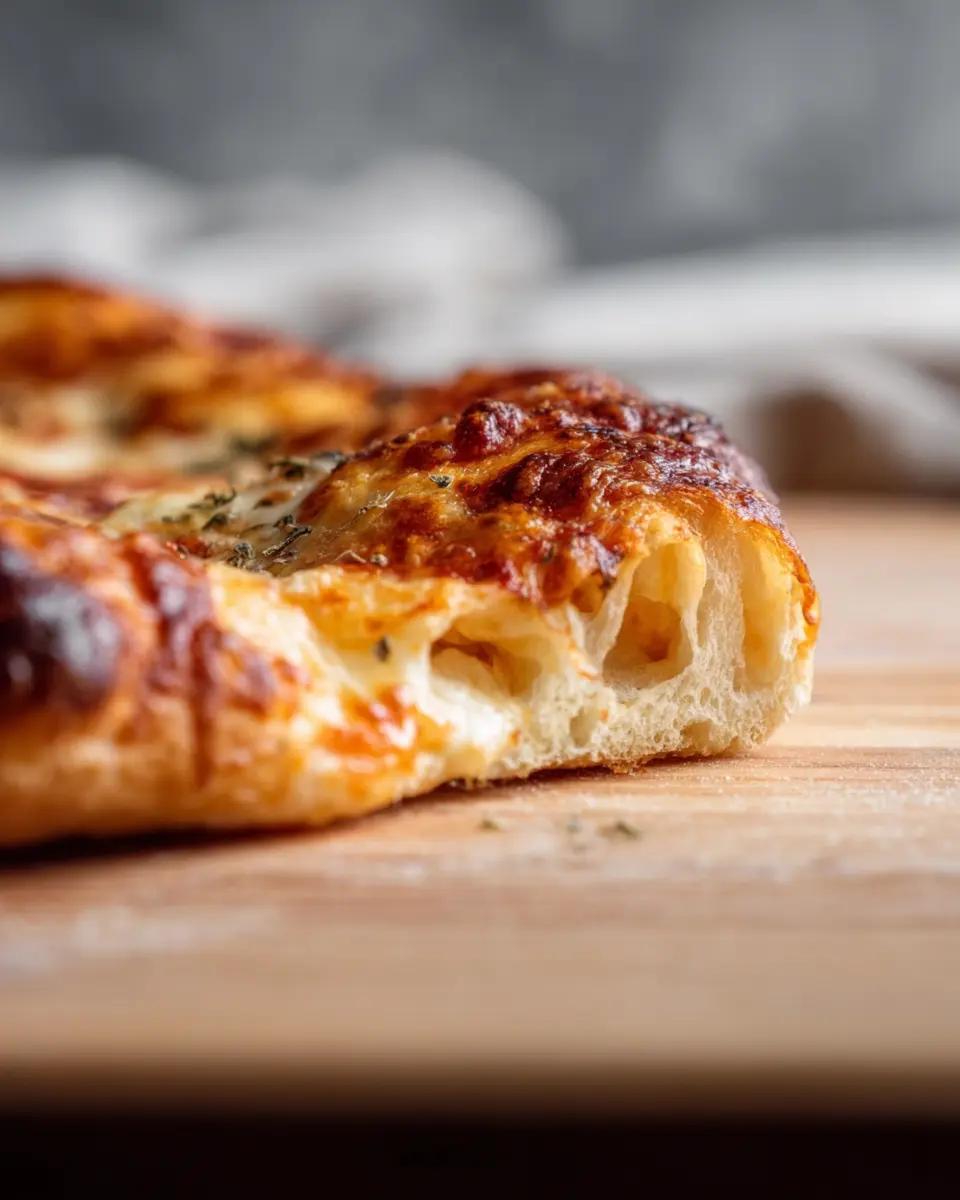
Essential ingredients for a perfect crust
Creating that artisan pizza dough you've always dreamed of starts with a handful of quality ingredients. When you select the right components, you set the foundation for a delicious pizza experience that truly stands out. Here’s what you’ll need:
- All-purpose flour (500g): The backbone of your dough, high-quality flour contributes to the structure and chewy texture. Look for brands that are unbleached and high in protein for the best results.
- Warm water (375g): Hydration is key! Using warm water helps activate the yeast and promotes a better rise. Aim for around 100°F (37°C) for optimal activation.
- Active dry yeast (1g): This tiny powerhouse is what makes your dough rise. Don’t forget to let it dissolve in a bit of water before mixing it in.
- Fine salt (10g): Salt not only enhances flavor but also strengthens the gluten, aiding in the development of that coveted chewy crust.
With these four simple ingredients, you can embark on your journey to artisan pizza perfection. Are you ready to impress your friends with a homemade creation? For more tips on baking techniques, check out resources like King Arthur Baking or Serious Eats.
Preparing Artisan Pizza Dough
Creating a perfect artisan pizza dough is an art form that begins with the right preparation. From mixing the ingredients to shaping the dough, each step is essential for achieving a crust that is crispy, chewy, and bubbly. Let’s dive into the process!
Mixing the ingredients
Start by combining the main players: 500g of all-purpose flour and most of the warm water (excluding 1 tablespoon) in a large bowl. Mix until everything is just combined, and then cover the bowl with a clean kitchen towel or plastic wrap. Let it rest for 20 minutes. This short resting period helps the flour absorb the water, allowing the gluten to relax, which ultimately leads to a better texture.
In a separate bowl, sprinkle 1g of active dry yeast over the remaining water, letting it dissolve. Once your dough has rested, add 10g of fine salt on top, followed by the yeast mixture. Now, it's time to fold the dough. Wet your hand, stretch a section of the dough over the center repeatedly, until the dough looks shaggy but well-combined.
The resting period
After mixing, cover the bowl again and let the dough rise for about one hour. This initial fermentation is crucial; it starts the flavor-building process. If you’re wondering why long fermentation matters, it's all about allowing the yeast to develop complex flavors. This initial rise may seem simple, but it’s the foundation for your artisan pizza dough.
Folding and developing gluten
Once the hour is up, it’s time to develop the gluten. Lightly wet your hand again and gently stretch a part of the dough, folding it over the center. Rotate the bowl and repeat this folding process four to five times until the dough holds a tighter shape. Invert the dough into a lightly greased bowl with the seam side down, cover it, and let it rise for 5–6 hours. This slow rise is where the real magic happens—your dough will nearly double, indicating it’s ready for the next step.
Shaping the dough
When the dough has risen beautifully, turn it out onto a floured surface and divide it into two pieces. Working with one chunk at a time, shape the dough into a ball by stretching the edges towards the center, forming a tight surface. Place the ball seam-side down and gently pull it toward you to create tension. Repeat this process until you see a snug, round shape.
Prepping for baking
Transfer your shaped dough to a greased plate and lightly oil the tops. Cover them, letting them rest at room temperature for about an hour. Meanwhile, preheat your oven to 500°F (or as high as it will go) for that perfect crispy bottom.
By following these preparatory steps, you set yourself up for pizza success! Curious about hydration levels or the science of yeast? Check out King Arthur Baking for a deep dive into the wonders of baking. Your artisan pizza dough will not just rise but will flourish with flavor, begging to be topped and baked.
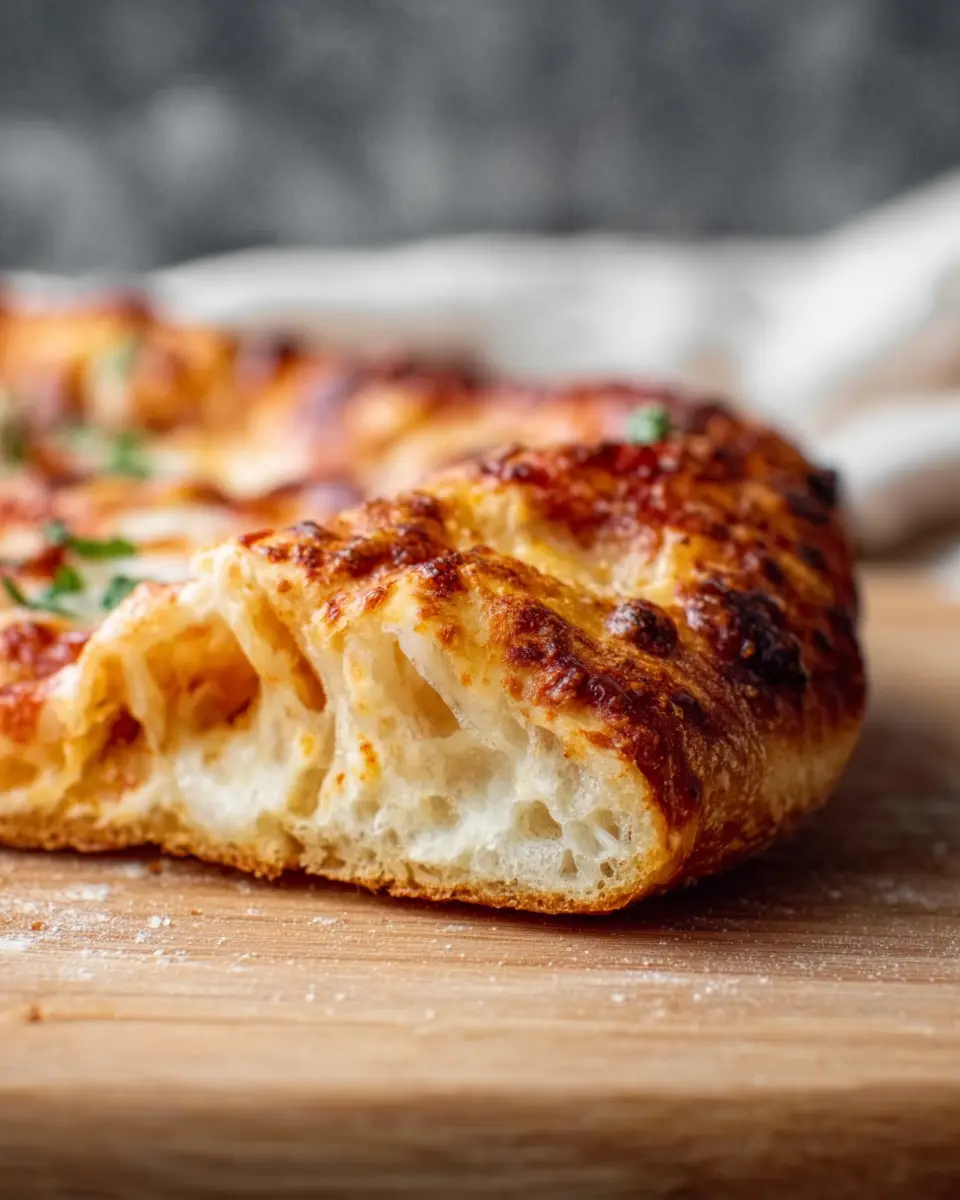
Variations on Artisan Pizza Dough
Creating artisan pizza dough can be tailored to fit various dietary preferences—whether you’re looking for whole grain goodness or a gluten-free option. Here’s how you can easily switch things up!
Whole Wheat Artisan Pizza Dough
For a nutty flavor and added nutrition, substitute all-purpose flour with whole wheat flour. You may need to increase the water slightly, as whole wheat absorbs more moisture. This variation keeps the traditional chewy texture while packing in fiber and nutrients!
Gluten-Free Artisan Pizza Dough
If gluten is not for you, try a gluten-free blend of flours such as brown rice flour, tapioca flour, and almond flour. Adding psyllium husk can help achieve a more elastic dough. The key here is to ensure good hydration, as gluten-free flours often require additional fluids for the perfect crispy and bubbly crust.
For expert tips on making gluten-free dough, check out resources like King Arthur Baking.
Cooking tips for Artisan Pizza Dough
Achieving the ideal crust texture
For the perfect artisan pizza dough, focus on hydration and handling. High hydration leads to a light, chewy crust, while gentle handling promotes bubble formation. After the initial rise, a simple folding technique will help develop gluten without overworking the dough. The result? A beautifully blistered crust that crisps up during baking.
Importance of dough temperature
Dough temperature is crucial for flavor development. Ideally, keep your dough around 75°F to 80°F (24°C to 27°C) during fermentation. This temperature range allows the yeast to work efficiently, resulting in a well-aerated dough. If your kitchen is too warm, consider refrigerating the dough for a longer, slower rise. This can enhance flavor and texture—just ensure to bring it back to room temperature before shaping.
For more pizza-making insights, check out Serious Eats for expert advice and techniques!
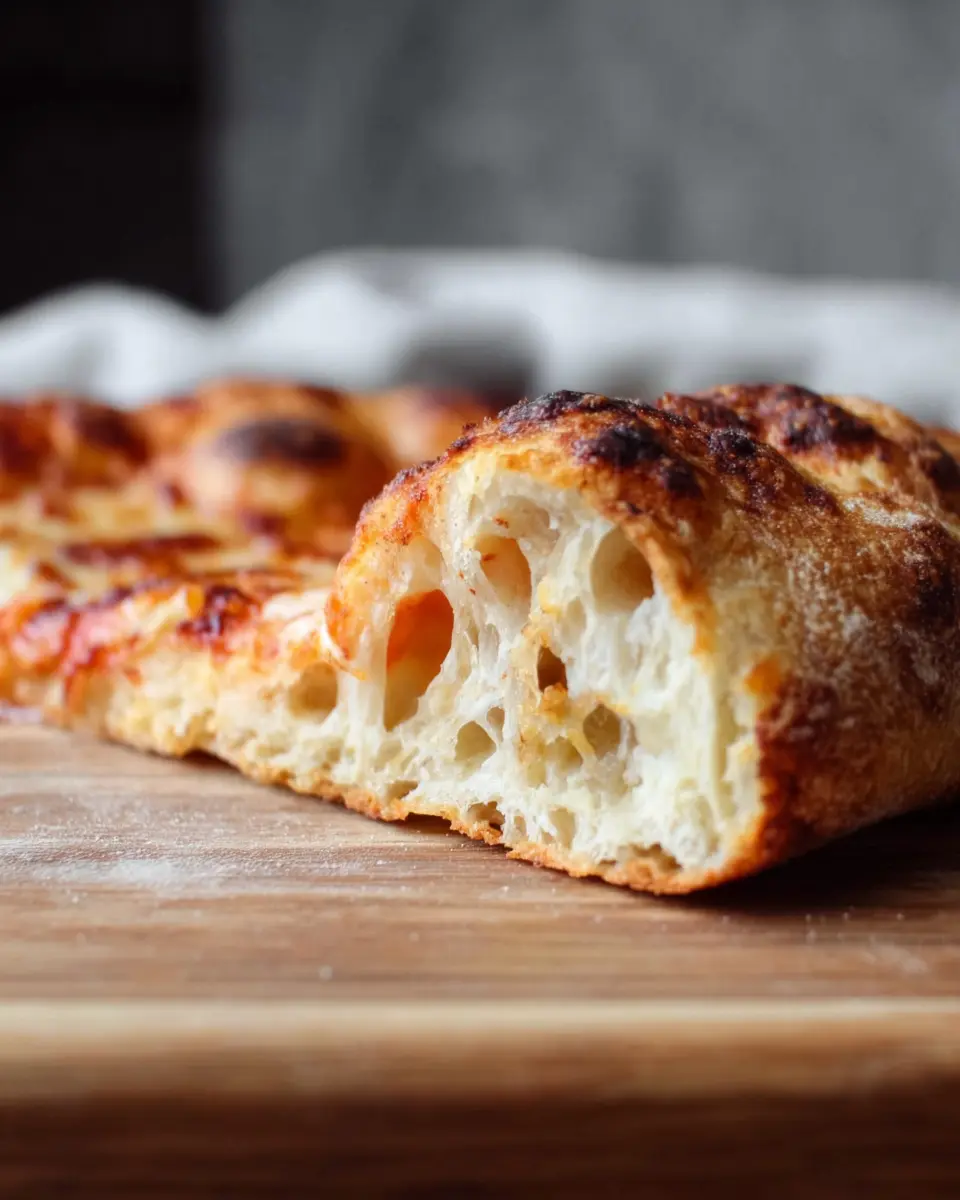
Serving suggestions for Artisan Pizza Dough
Crafting the perfect pizza begins with your artisan pizza dough, and the toppings can elevate it to a whole new level. Let’s explore some serving suggestions that will delight your taste buds!
Classic Margherita Pizza
For a timeless flavor, top your pizza with fresh mozzarella, ripe tomatoes, and a drizzle of extra-virgin olive oil. Finish with basil leaves and a sprinkle of sea salt for that authentic Italian taste. This combination allows the dough's delicate flavors to shine through, making every bite a blissful experience.
Creative Topping Ideas
Feeling adventurous? Try these unique combinations:
- Turkey Bacon & Spinach: Add layers of turkey bacon and fresh spinach for a savory crunch.
- Pesto Veggie Delight: Spread basil pesto and load up with roasted bell peppers, zucchini, and artichoke hearts.
- BBQ Chicken: Use chicken ham, red onions, and a drizzle of your favorite BBQ sauce for a robust twist.
Experiment with these toppings, and don’t hesitate to mix and match! For more inspiration, check out this guide to pizza pairings that offers great ideas on flavor combinations. Happy cooking!
Time breakdown for Artisan Pizza Dough
Preparation time
Crafting your artisan pizza dough begins with just 20 minutes of prep! During this time, you’ll mix your flour and water, allowing the ingredients to marry together beautifully.
Rising time
Patience is key! After initial mixing, the dough requires a rising period of about 6 hours. This long fermentation enhances flavor, giving you that coveted chewy texture.
Cooking time
Once your dough has risen and you're ready to prepare your mouthwatering pizza, cooking takes only about 8 minutes in a blazing hot oven. It’s all about that crispy, bubbly crust you’ve been dreaming of!
For more insights on pizza making, you can check out Serious Eats or America's Test Kitchen for expert recommendations on dough preparation.
Nutritional Facts for Artisan Pizza Dough
Calories per Serving
Each serving of this artisan pizza dough (¼ of a 12" pizza) contains approximately 228 calories. This low-calorie option allows you to enjoy your favorite pizza without the guilt, all while relishing that delightful crispy, chewy, bubbly crust!
Key Nutrients
This dough is not just about enjoying a great pizza; it also packs a punch in terms of nutrition:
- Carbohydrates: 48g — Perfect for fueling your day.
- Protein: 6.5g — Helps in muscle repair and growth.
- Fiber: 1.7g — Aids digestion and keeps you feeling full.
- Sodium: 488mg — Essential for maintaining fluid balance.
For more detailed insights on the benefits of each nutrient, check out resources from Healthline and Nutritional Science.
By crafting your own artisan pizza dough, you're not just enjoying a tasty meal but also nourishing your body, making it a win-win!
FAQs about Artisan Pizza Dough
How long can I store the dough?
You can store your artisan pizza dough in the refrigerator for up to 2 days. Just cover it tightly with plastic wrap to prevent it from drying out. If you need a longer storage solution, consider freezing it.
Can I freeze the dough?
Absolutely! Freezing is a great way to extend the lifespan of your artisan pizza dough. Once you've shaped it into balls, wrap each one tightly in plastic wrap, then place them in an airtight container or freezer bag. They should last for about 2-3 months in the freezer. When you're ready to use them, simply thaw in the refrigerator overnight, then let them rest at room temperature for about an hour before shaping.
What makes artisan pizza dough different?
Artisan pizza dough is characterized by its high hydration and long fermentation process, resulting in a unique crispy, chewy, bubbly crust. This method enhances flavor and texture, setting it apart from traditional pizza dough. The longer fermentation allows the yeast to develop complex flavors, giving your pizza a delightful depth that’s hard to resist. Curious about the science? Check out sources like Serious Eats for in-depth insights on artisan baking techniques.
Conclusion on Artisan Pizza Dough
Crafting your own artisan pizza dough is a rewarding experience that yields delicious results. With a bit of patience and the right technique, you can enjoy a mouthwatering, crispy, chewy crust that elevates your homemade pizza game. Share this joy with friends and family—pizza night awaits!
artisan pizza dough- crispy, chewy, bubbly crust
Equipment
- large bowl
- pizza peel
- oven
- cast iron pan
Ingredients
Dry Ingredients
- 500 g all-purpose flour
- 1 g active dry yeast
- 10 g fine salt
Wet Ingredients
- 375 g warm water divided
Instructions
Dough Preparation
- Mix flour and all but 1 tablespoon of the water in a large bowl until just combined, then cover and set aside for 20 minutes to rest. Sprinkle yeast over remaining warm water and set aside to dissolve.
- Sprinkle salt over the surface of the dough. Stir yeast mixture and pour over dough. Fold the dough: lightly wet your hand, reach under the dough, and stretch a section of it over the top. Repeat until the center of the dough is covered. Then, using your thumb and fingers as pincers, squeeze and pinch off 5- 6 chunks of dough. Wet your hand to minimize sticking. Fold the dough over itself a few times. Repeat pinching and folding until the yeast and salt are fully mixed and a shaggy dough is formed. Cover the bowl and let rest about an hour.
- Fold the dough one time to develop the gluten: lightly wet your hand, reach underneath the dough and stretch up a section of the dough, then fold it over the center. Rotate the bowl and fold four to five more times, or until the dough has tightened into a ball. Take the entire ball of dough and invert it into a clean, lightly greased bowl, so the seam is down and the top is smooth. Cover and let rise until doubled in volume, 5- 6 hours.
- Turn the dough out onto a floured work surface and cut in half. Working with one piece of dough at a time, shape into a ball as follows. Stretch out a quarter of the dough just until you feel resistance, then fold it back over the center. Repeat stretching and folding the remaining three edges until the center is covered and a loose ball is formed. Turn the ball over so the seam is down and place it on an un-floured area. Cup your hands around the dough and gently pull it towards you, dragging the bottom along the counter to create a bit of tension. Rotate the ball 90 degrees and drag it a few inches towards you again. Repeat rotating and gently dragging until the top of the dough tightens up and the ball is round.
- Transfer to a greased plate and repeat with remaining dough. Lightly oil the tops, cover and let rest at room temperature for about an hour. Preheat oven at this time. If not using right away, cover tightly with plastic wrap and refrigerate until ready (for up to 2 days).
Pizza Preparation
- Place pizza steel, stone, or inverted baking sheet on the middle rack of the oven and preheat to 500°F (or as high as it will go). Let oven heat up for at least 45 minutes. Generously flour a pizza peel and set aside. Alternatively, lightly grease a cast iron pan with olive oil and set aside.
- Place one dough ball on a floured surface and flatten the middle into a large disk, leaving a thick 1-inch lip. Pick up the disk, and holding the thick edge, use gravity to gently shape the dough into a 12-inch circle. Lay on prepared pizza peel and adjust shape into a circle. Jiggle the peel to make sure the dough isn’t sticking, and add more flour if it is. Alternatively, shape the dough to the size of your prepared cast iron pan, then place it inside.
- Add sauce and toppings to pizza dough, leaving the 1-inch perimeter empty. Slide pizza onto the hot steel and bake for 5 minutes. Turn on the broiler and broil for 2- 4 minutes, or until cheese is melted and crust is golden and blistered. If using the cast iron pan, bake for 15- 20 minutes and broil for the last few minutes to get spots of char. Repeat with remaining pizza dough and toppings.



Leave a Reply